Aligning Championship Seasons with Multi-Level Incentive Systems in Licensed Gambling Operations
Written by Avery Schmitt · Aug 2, 2026
Aligning Championship Seasons with Multi-Level Incentive Systems in Licensed Gambling Operations
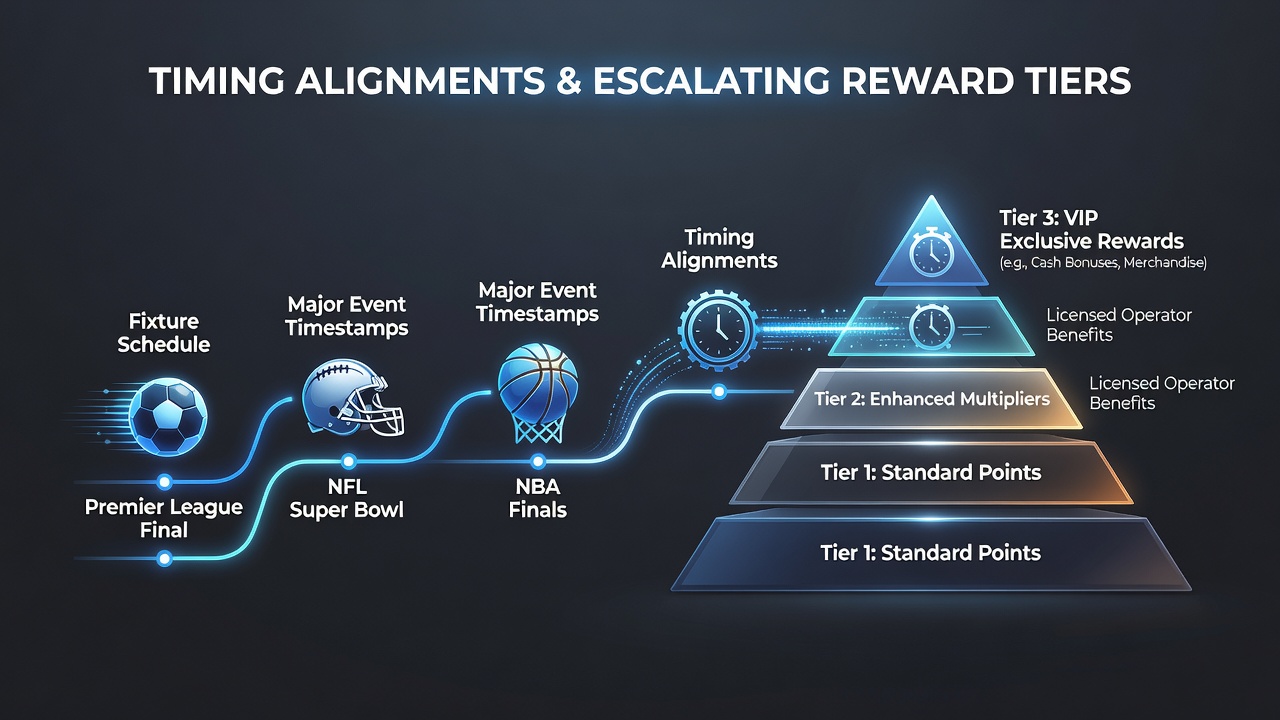
Operators in regulated markets have refined their approaches to coordinate the release of escalating reward tiers with key dates on major sports calendars, and this practice draws from patterns observed across multiple jurisdictions where engagement metrics rise during fixture-heavy periods. Research from industry reports shows that platforms adjust deposit match percentages, cashback rates, and loyalty point multipliers to coincide with events such as league openers, cup finals, and international tournaments, while data collected over several seasons indicates these alignments produce measurable upticks in account activity without requiring constant manual intervention.
Mechanics Behind Calendar-Driven Tier Progressions
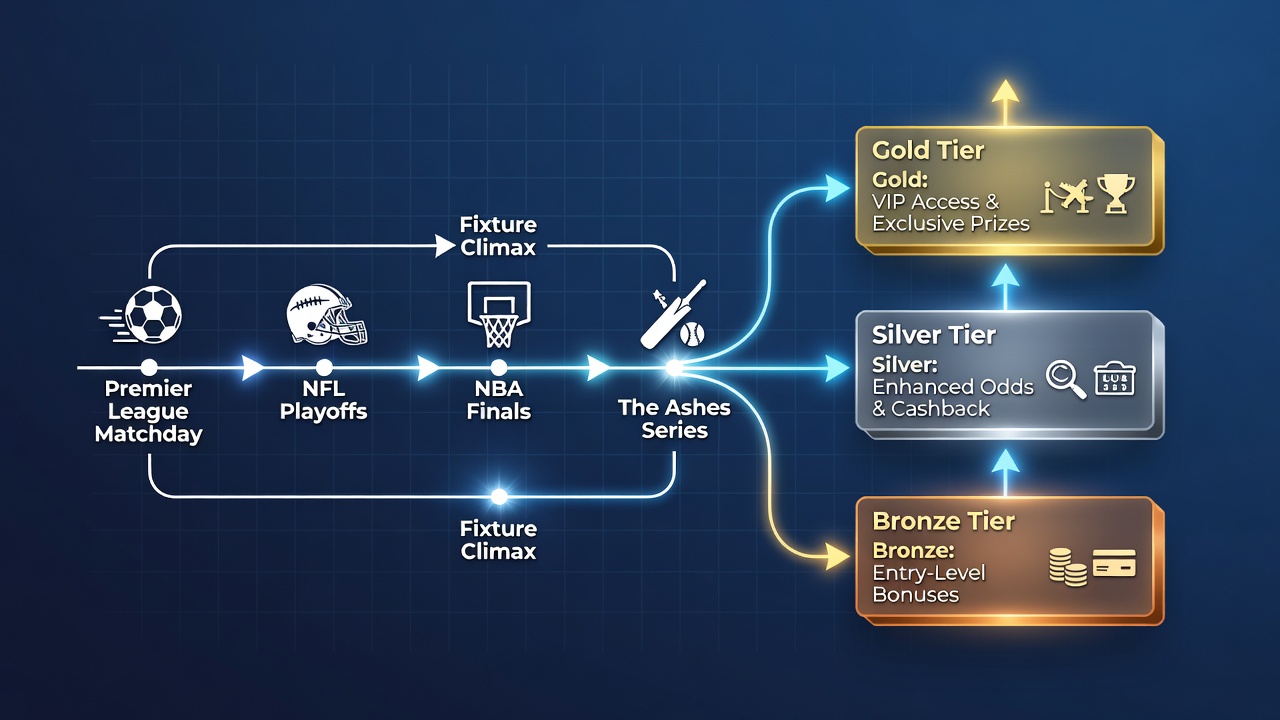
Licensed operators segment their user bases into progressive tiers that unlock higher reward percentages based on wagering volume or deposit frequency, and these systems often feature automated triggers tied to external event schedules rather than fixed monthly cycles. For instance, a silver tier might convert to gold status more rapidly during weeks when multiple football matches occur simultaneously, because historical transaction logs reveal concentrated betting windows around those fixtures. Observers note that software platforms integrate APIs from sports data providers to pre-schedule bonus multipliers, allowing operators to maintain compliance while responding to predictable surges in participation.
Figures from North American regulatory filings demonstrate that tier advancement rates accelerate by measurable margins when operators align promotions with events like the Super Bowl or NBA playoffs, and similar patterns appear in European markets where cricket and rugby seasons create distinct peaks. The coordination reduces the need for ad-hoc marketing campaigns, since the underlying algorithms already factor in fixture lists published months in advance by governing bodies.
Regional Variations in Event-Tier Synchronization
Platforms operating under Australian oversight have documented how reward tiers escalate in tandem with the Australian Football League season, with data indicating that loyalty point accrual rates increase during rounds featuring high-profile rivalries. One analysis covering multiple years found that operators timed reload bonuses to activate on Thursday nights when Thursday night football fixtures draw consistent audiences, and this approach aligns with broader trends reported by the Australian Institute of Family Studies. In contrast, operators licensed in Canadian provinces adjust tier thresholds around NHL playoff stretches, where extended series create prolonged engagement opportunities that platforms convert into higher cashback percentages for qualifying users.
European operators follow comparable logic during UEFA Champions League group stages, because fixture clustering across midweek and weekend slots creates overlapping betting windows that reward systems exploit through tiered free bet allocations. Researchers tracking these patterns across borders observe that the timing reduces promotional overlap with quieter periods, thereby concentrating incentive spend where transaction volumes naturally peak.
Impact on User Progression During August 2026 Windows
During August 2026, several licensed platforms activated enhanced tier progressions ahead of the new domestic football campaigns, and transaction records show accelerated movement from entry-level rewards to mid-tier benefits in the weeks immediately preceding opening fixtures. Data collected from these periods reveals that operators who pre-loaded their systems with fixture-based triggers achieved higher average session durations compared with periods lacking such alignments. The approach relies on publicly available league schedules rather than proprietary forecasts, which keeps the process transparent for regulatory review.
Operators also factor in secondary events such as tennis majors and golf tournaments that fall outside primary football windows, and these additions allow tier systems to maintain momentum when main-league calendars feature international breaks. Reports from trade associations indicate that the layered scheduling spreads incentive distribution more evenly across the calendar year while still capitalizing on the largest audience concentrations.
Compliance Considerations in Scheduled Reward Activations
Regulated entities must ensure that automated tier escalations remain within advertising and responsible gambling guidelines, and this requirement leads many platforms to embed fixture-based triggers inside broader compliance frameworks rather than treating them as standalone promotions. Industry guidelines from bodies such as the European Gaming and Betting Association emphasize that operators document the data sources used for timing decisions, which typically include official league calendars and historical engagement statistics. Platforms that maintain these records demonstrate adherence during audits, because the timing logic derives from verifiable external events instead of individualized targeting that could raise fairness concerns.
Additional safeguards include caps on maximum tier benefits during any single event window, and these limits prevent unintended concentration of rewards around marquee fixtures. Data from multiple licensed markets shows that operators who publish their tier advancement rules in advance experience fewer compliance queries, because users understand the objective criteria tied to sports calendars.
Conclusion
The alignment of major sports fixtures with escalating reward tiers represents a structural feature of modern licensed gambling operations, and evidence from transaction analyses across regions confirms that these systems respond to predictable calendar events rather than creating artificial demand. As fixture lists become available further in advance, operators continue to refine their automated triggers to match tier progressions with periods of elevated interest, while regulatory frameworks in various jurisdictions maintain oversight through documented data sources and published advancement rules. This coordination produces measurable shifts in activity patterns that both operators and oversight bodies track through established reporting channels.