Cashback Cascades: Tracing Multi-Tier Refund Systems in Contemporary British Online Gaming Hubs
Written by Jordan Schmitt · Jun 19, 2026
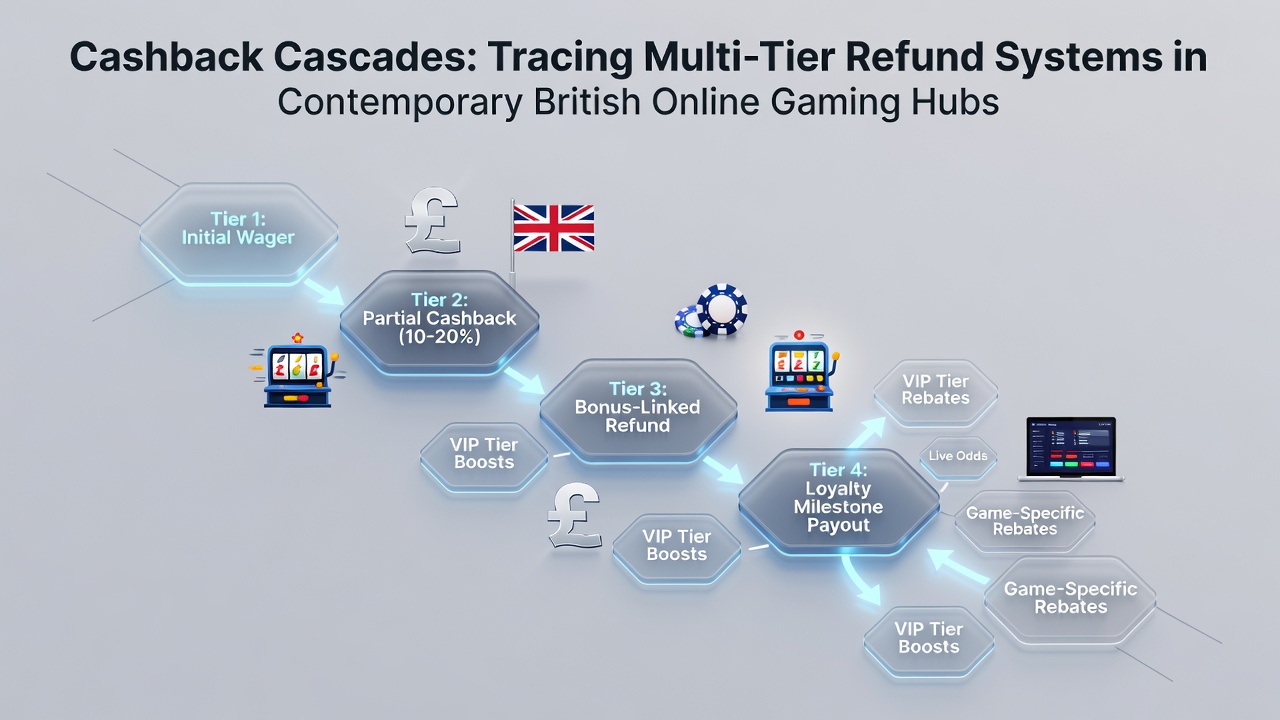
Cashback Cascades: Tracing Multi-Tier Refund Systems in Contemporary British Online Gaming Hubs
British online gaming platforms have integrated cashback systems that operate through multiple tiers, where refunds scale according to player activity levels, deposit volumes, and engagement duration. These structures distribute returns across several stages rather than offering flat percentages, and operators adjust the tiers based on internal metrics that track wagering patterns over defined periods. Data from industry reports indicate that such layered approaches emerged more prominently after 2022 as platforms sought to retain users amid shifting market conditions.
How Tiered Refund Structures Function
Multi-tier cashback begins with an entry-level refund that activates once a player reaches a minimum threshold, typically measured in total bets placed within a weekly or monthly window. Subsequent tiers unlock at higher volumes, and each level applies an increased percentage that compounds on prior activity. Observers note that this cascade effect encourages sustained participation because partial refunds become available at each stage, and players can access cumulative benefits without waiting for a single payout cycle. Researchers at academic institutions have documented similar mechanisms in European markets where operators use algorithms to calculate eligibility in real time, ensuring refunds align with verified transaction histories.
Payment methods influence how quickly refunds process through the tiers. Systems connected to e-wallets often release funds faster than those tied to bank transfers, and platforms integrate these differences directly into their tier calculations. According to figures released by the Malta Gaming Authority, average refund turnaround times shortened by 18 percent between 2023 and 2025 across operators using automated verification tools.
Development Patterns Observed Since 2024
By early 2025 several British-facing platforms expanded their refund ladders to include seasonal adjustments that respond to major sporting events. These modifications created temporary higher tiers during peak periods, and analysts recorded corresponding increases in player retention metrics. In June 2026 industry tracking services reported that platforms offering five or more distinct cashback levels maintained higher average session lengths compared with those using simpler single-tier models. The expansion coincided with broader adoption of blockchain-based verification methods that reduced discrepancies in activity tracking across different user accounts.
One study conducted by a Canadian research group examined cross-border data flows and found that British operators frequently align their tier thresholds with international standards to accommodate users who participate on multiple sites. This alignment allows players to carry progress metrics between platforms when partnerships exist, although such transfers remain subject to individual operator policies. The same report highlighted that refund percentages at the uppermost tiers now range from 12 to 25 percent depending on the operator and the specific game categories involved.

Player Segmentation and Eligibility Rules
Operators divide users into segments that determine which cashback tiers become accessible. New accounts typically start at the base level, while established profiles move upward after completing verified play cycles. Eligibility often requires a combination of deposit frequency and game-type diversity, and platforms publish these criteria in their terms so participants understand the progression path. Data compiled by the American Gaming Association shows that segmented systems correlate with steadier revenue streams because players adjust their behavior to reach the next refund bracket.
Additional qualifiers appear in some programs where refunds apply only to losses sustained on specific game categories such as slots or table games. This restriction prevents the cascade from covering every wager and keeps the financial model balanced for the operator. Those who have examined transaction logs observe that players frequently concentrate activity within qualifying categories once they near a tier threshold, which in turn affects overall platform statistics.
Technical Infrastructure Supporting the Cascades
Backend systems rely on real-time data aggregation to monitor tier advancement. Servers collect wager amounts, timestamps, and game identifiers, then feed the information into calculation engines that determine refund eligibility within seconds of each completed round. Integration with third-party compliance services ensures that refunds respect any imposed limits on promotional value, and automated flags halt processing if unusual patterns emerge. European operators that adopted these frameworks reported fewer manual interventions by mid-2025, according to aggregated industry surveys.
Security protocols encrypt the tier-progress data to prevent external manipulation, and regular audits verify that calculations remain consistent across all accounts. When discrepancies arise, operators apply standardized correction procedures that restore the correct tier status without disrupting ongoing play sessions.
Conclusion
Multi-tier refund systems continue to evolve within British online gaming environments as operators refine their algorithms and compliance tools. The layered approach distributes returns across defined activity milestones, and technical infrastructure supports rapid verification of each stage. Available data from multiple regulatory and research bodies illustrate steady growth in the adoption of these cascades since 2024, with measurable effects on session duration and player segmentation practices. As platforms update their models in response to new verification technologies, the structure of cashback cascades remains a central feature of contemporary British gaming operations.