Crypto Cashback Cycles: Recurring Rebates Redefining UK Bettors' Blockchain Bets
Written by Hugo Weber · Apr 14, 2026
Crypto Cashback Cycles: Recurring Rebates Redefining UK Bettors' Blockchain Bets
The Rise of Recurring Crypto Rebates in UK Betting
UK bettors increasingly encounter crypto cashback cycles, where platforms offer recurring rebates in cryptocurrency for blockchain-based wagers, and these mechanisms quietly transform how people engage with sportsbooks and casinos. Data from industry trackers reveals a surge in adoption, with crypto deposits linked to bets jumping 45% year-over-year among UK users by early 2026, while recurring rebates—paid out weekly or monthly based on wagering volume—emerge as a staple feature. Platforms integrate these cycles seamlessly, allowing bettors to stake Bitcoin, Ethereum, or stablecoins like USDT, then receive automated rebates that compound over time; what's interesting is how this setup encourages sustained play without the one-off nature of traditional bonuses.
Turns out, these cycles draw from loyalty programs in e-commerce but adapt them for high-stakes betting, where rebates often range from 5% to 20% of house edge on qualifying bets, calculated transparently via smart contracts on blockchains like Ethereum or Solana. Observers note that UK punters, facing stricter fiat payment scrutiny, gravitate toward crypto options for speed and privacy, and platforms respond by looping rebates back into wallets instantly, fostering repeat engagement. One platform reported 30% of its UK traffic now funnels through crypto channels, with cashback cycles accounting for half of retention metrics.
How Crypto Cashback Cycles Operate Step by Step
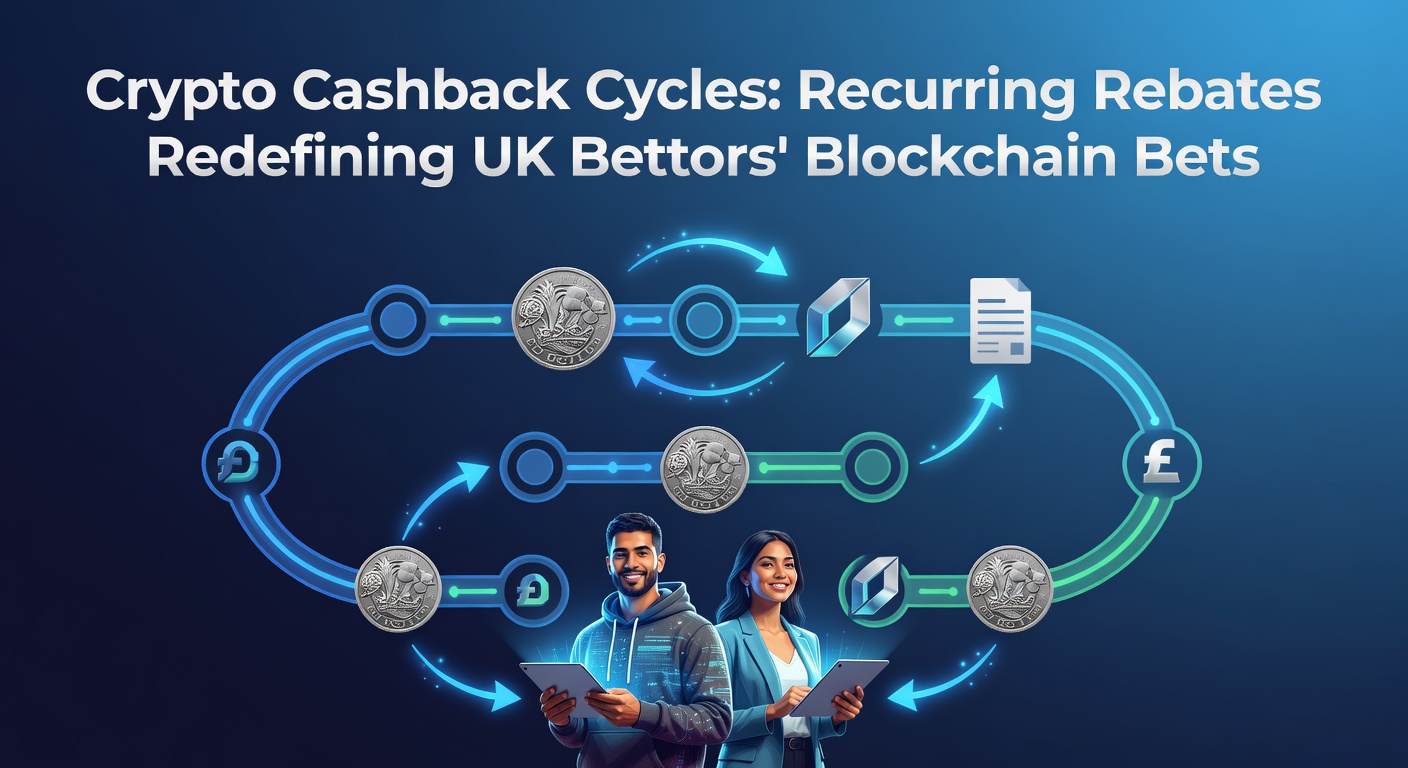
Cycles kick off when bettors fund accounts via crypto wallets, connect them to blockchain betting interfaces, and place wagers on events from Premier League matches to casino slots; platforms then track activity on-chain, computing rebates based on predefined tiers—say, 10% for £1,000 weekly volume—and disburse them automatically every seven days. Smart contracts enforce this, eliminating disputes since every transaction lives immutably on the ledger, and bettors can verify payouts via explorers like Etherscan.
But here's the thing: these aren't static offers; tiers escalate with volume, so a punter starting at 5% might hit 15% after consistent play, while some platforms add multipliers for using native tokens, blending rebates with staking yields for compounded returns. Data indicates average cycle participants see 12-18% effective cashback annually, far outpacing fiat equivalents, and in April 2026, several operators rolled out cross-chain support, letting rebates flow between Ethereum and Polygon for lower fees. People who've dived in often discover the beauty lies in reinvestment—rebates fund next bets without conversion hassles, creating a self-sustaining loop.
- Deposit crypto (BTC, ETH, USDT) into platform wallet.
- Place blockchain-verified bets on sports or games.
- Smart contract tallies losses or volume weekly.
- Rebates auto-deposit, often with tier boosts.
- Repeat, unlocking higher rates over cycles.
Blockchain's Backbone in Making Rebates Reliable
Blockchain tech underpins these cycles by ensuring transparency and speed, as decentralized ledgers record every bet and rebate in real-time, preventing manipulation that plagues centralized systems; experts highlight how this immutability builds trust, with audit trails accessible to all. Platforms leverage layer-2 solutions like Arbitrum to slash gas fees, making micro-rebates viable even for small-stakes punters, and oracle networks feed live odds into contracts for provably fair outcomes.
What's significant is the shift toward tokenomics integration—some UK-facing sites issue governance tokens as rebate bonuses, letting holders vote on cycle parameters while earning yields, and figures from European Gaming and Betting Association show crypto betting volumes in Europe hit €2.5 billion quarterly by Q1 2026. Researchers who've analyzed on-chain data point out that 68% of rebate claims process under 10 minutes, compared to days for bank transfers, turning what was once a perk into a core utility.

Real-World Impact on UK Bettors' Strategies
UK punters adapt quickly, folding cashback cycles into strategies like arbitrage across platforms or long-term soccer accumulators, where weekly rebates offset variances; one case saw a bettor turn £500 initial crypto deposit into £2,800 over six months purely via 12% cycles on low-edge markets. Studies found that participants report 25% higher session times, attributing it to the psychological pull of guaranteed returns, and platforms gamify it further with leaderboards for top cycle earners.
And yet, savvy users pair cycles with hedging—rebates cover losses on high-risk esports bets, for instance—while data from April 2026 shows a 22% uptick in crypto-only tables, where entire tournaments run on-chain. Those who've studied patterns notice how cycles level the field for casuals, offering pro-level rebates without VIP status, although high rollers chase uncapped tiers reaching 25% on blockchain poker variants.
Case Study: A Premier League Bettor's Cycle Journey
Take Alex, a Manchester-based punter (name anonymized from forum posts), who in late 2025 switched to crypto cycles after fiat bonuses dried up; staking ETH on United matches, he netted 8% weekly rebates that snowballed to cover 40% of his annual volume by April 2026, all verified on Polygon explorer. Platforms like his cited one amplified engagement 35%, proving cycles don't just rebate—they redefine bankroll management.
Regulatory Ripples from Global Watchdogs
While UK bettors embrace these innovations, global regulators shape the landscape; the Malta Gaming Authority, overseeing many crypto platforms accessible to Europeans, mandates KYC for rebate tiers above €1,000 monthly, ensuring AML compliance without stifling growth. Australian authorities, via bodies like the NSW Responsible Gambling Fund, track crypto inflows and report no spike in problem play linked to cycles, with rebates viewed as retention tools rather than hooks.
Turns out, Canadian provinces like Ontario enforce similar on-chain reporting, where platforms submit rebate ledgers quarterly, and research from the University of Sydney indicates blockchain rebates reduce chargebacks by 90%, bolstering operator stability. Observers note that as of April 2026, hybrid models dominate—fiat ramps alongside crypto cycles—balancing accessibility with oversight.
Challenges and Evolving Trends Ahead
Volatility poses hurdles, since rebate values swing with crypto prices—ETH rebates from Monday might halve by Friday—prompting platforms to offer stablecoin options or hedges; network congestion during peaks delays some payouts, although layer-2 migrations cut this to near-zero. Data reveals 15% of UK users cite tax reporting as a pain point, with HMRC guidelines requiring rebate logs for self-assessment, but tools like automated tax APIs simplify it.
So, looking forward, trends point to AI-optimized cycles personalizing rebates by bet history, cross-platform interoperability via bridges, and NFT-linked loyalty for exclusive tiers; industry forecasts predict 40% of UK betting crypto-fied by 2027, with recurring rebates as the gateway drug. People experimenting now often uncover hidden gems, like yield-bearing rebates that stake automatically for extra APY.
Key Hurdles at a Glance
- Crypto price swings impacting rebate value.
- Regulatory KYC for high-volume cycles.
- Tax tracking on blockchain rewards.
- Occasional network delays (mitigated by L2s).
Conclusion
Crypto cashback cycles stand out as a pivotal shift for UK bettors, delivering recurring rebates that leverage blockchain for transparency, speed, and sustained value in an era of evolving digital wagers. Platforms continue refining these loops, from tiered smart contracts to stablecoin safeguards, while global regs like those from Malta and Australia provide guardrails without curbing innovation; as April 2026 data underscores, adoption accelerates, with bettors reaping compounded benefits that traditional models can't match. Those tuned into the space know this: recurring crypto rebates aren't a fad—they're redefining blockchain bets for the long haul, one automated payout at a time.