Custom Reward Frameworks Powered by Data Insights Reshape British Digital Gaming
Written by Jordan Schmitt · Jul 7, 2026

Custom Reward Frameworks Powered by Data Insights Reshape British Digital Gaming
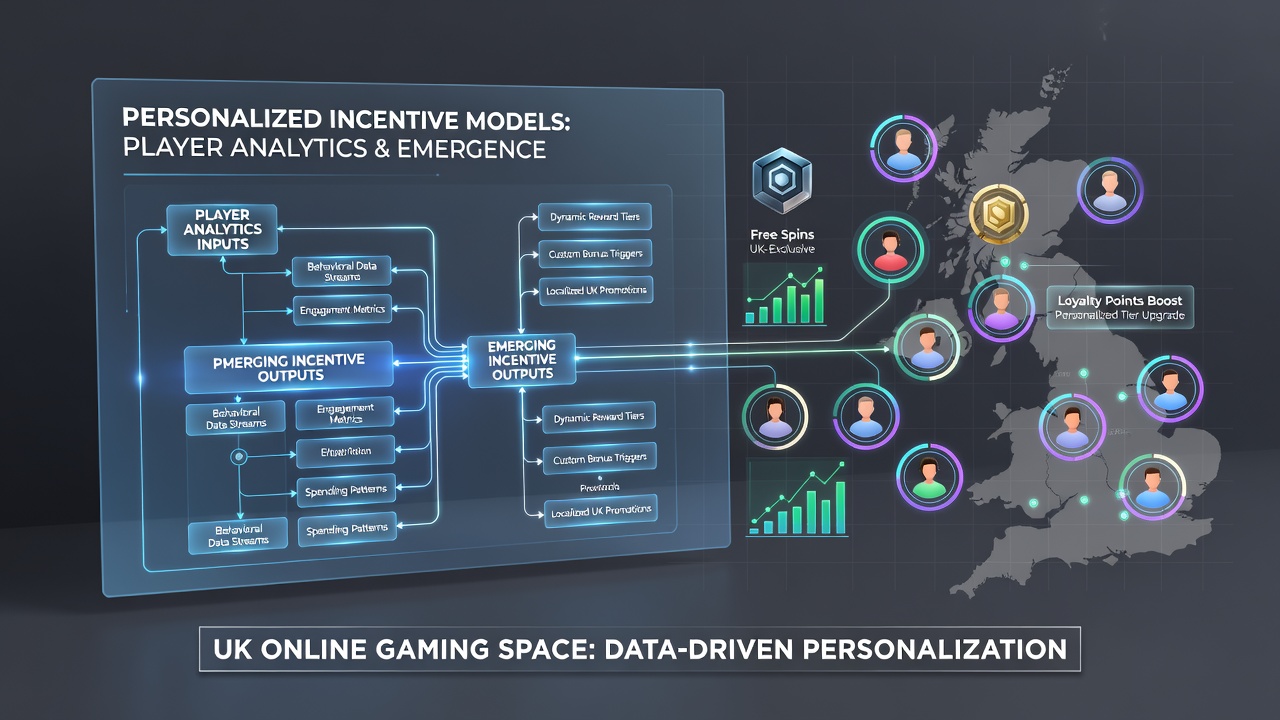
Operators in Britain’s online gaming sector now rely on detailed player analytics to build incentive structures that adjust in real time to individual behavior patterns, and this shift gained momentum through 2025 into July 2026 as platforms refined their data collection methods. These models draw from metrics such as session length, game preferences, deposit frequency, and withdrawal habits to determine which rewards appear for each account holder, creating offers that range from targeted free spins to adjusted cashback percentages.
Data Collection Methods Driving Incentive Design
Analytics teams track thousands of data points per user through integrated software that logs every interaction on desktop and mobile interfaces, while machine learning algorithms process this information to group players into dynamic segments that update daily or even hourly. Research from the Australian Gambling Research Centre shows that similar segmentation techniques in other markets have increased player retention rates by 18 to 22 percent when operators apply the insights to bonus allocation. British platforms combine these internal datasets with external signals such as time-of-day activity and device type to refine the timing of each personalized offer, ensuring rewards land when engagement metrics indicate the highest likelihood of response.
One major operator implemented a system that monitors bet sizing relative to account balance and automatically adjusts reload bonuses accordingly, delivering larger percentage matches to players whose activity shows steady but moderate wagering patterns. This approach avoids blanket promotions that previously distributed identical offers across entire user bases, and figures from industry reports indicate a 15 percent reduction in bonus-related costs after the switch to individualized structures.
Types of Personalized Models Currently Deployed
Current implementations fall into several categories that operate simultaneously on most platforms. Tiered cashback programs calculate refund percentages based on a rolling 30-day loss average rather than fixed weekly totals, and players who maintain consistent activity receive incremental improvements to their rates without needing to request upgrades. Mystery reward pools assign unique prize bundles drawn from analytics profiles, with higher-value items directed toward accounts that show elevated engagement with specific game categories such as table games or live dealer options.
Another model uses streak-based incentives that activate only after a player completes a sequence of actions identified as typical for their segment, for example three consecutive deposits followed by extended play sessions on slot titles. These streaks reset or evolve according to updated data, preventing static reward loops that once led to predictable usage patterns across user groups.
Integration with Broader Platform Features
Personalized incentives now link directly to loyalty point systems and tournament entries, allowing analytics engines to recommend specific events or point multipliers that align with a player’s historical preferences. A user who frequently participates in evening slot tournaments might receive notifications for similar events with boosted prize pools, while another whose activity centers on sports betting sees parallel offers for accumulator enhancements instead. This cross-feature alignment emerged more widely after July 2025 when several platforms completed backend upgrades that unified their analytics pipelines across casino and sports products.
Payment method data also feeds into these models, with operators noting that players using certain digital wallets respond differently to deposit-matched rewards compared with those who prefer bank transfers, prompting tailored bonus structures that reflect those observed differences without requiring separate marketing campaigns for each group.
Regulatory Environment and Compliance Adjustments
Operators must balance these data-driven approaches against requirements set by various oversight bodies, including the Nevada Gaming Control Board guidelines on fair advertising and the Canadian Centre on Substance Use and Addiction findings on behavioral tracking transparency. Platforms document how they obtain consent for data usage and provide players with options to adjust visibility settings for their activity profiles, and several British operators published updated privacy statements in early 2026 that detail exactly which metrics influence reward calculations.
External audits of these systems have become standard practice, with third-party firms reviewing algorithm outputs to confirm that personalization does not inadvertently create unfair advantages or disadvantage specific player segments. Reports from the European Gaming and Betting Association indicate that operators investing in auditable analytics frameworks report fewer compliance queries from regulators across multiple jurisdictions.
Future Developments Expected by Late 2026
Industry observers anticipate further refinement through expanded use of predictive modeling that forecasts future activity based on early behavioral signals, allowing incentives to appear before a player’s engagement begins to decline. Partnerships with academic research groups have started to explore how anonymized datasets from UK platforms can contribute to broader studies on responsible gaming tool effectiveness when combined with personalized reward logic. These collaborations aim to produce public reports that operators can reference when adjusting their models to meet both commercial and regulatory expectations.
Conclusion
Personalized incentive models built on player analytics continue to evolve within Britain’s online gaming environment as operators refine data usage practices and integrate new measurement tools. The structures already in place demonstrate measurable shifts in how rewards are distributed, and ongoing developments through the remainder of 2026 will likely introduce additional layers of customization while maintaining alignment with established oversight standards from multiple regions.