Inside the bonus engine: personalization tactics redefining engagement on UK online casinos
Written by Jordan Schmitt · Jul 31, 2026
Inside the bonus engine: personalization tactics redefining engagement on UK online casinos
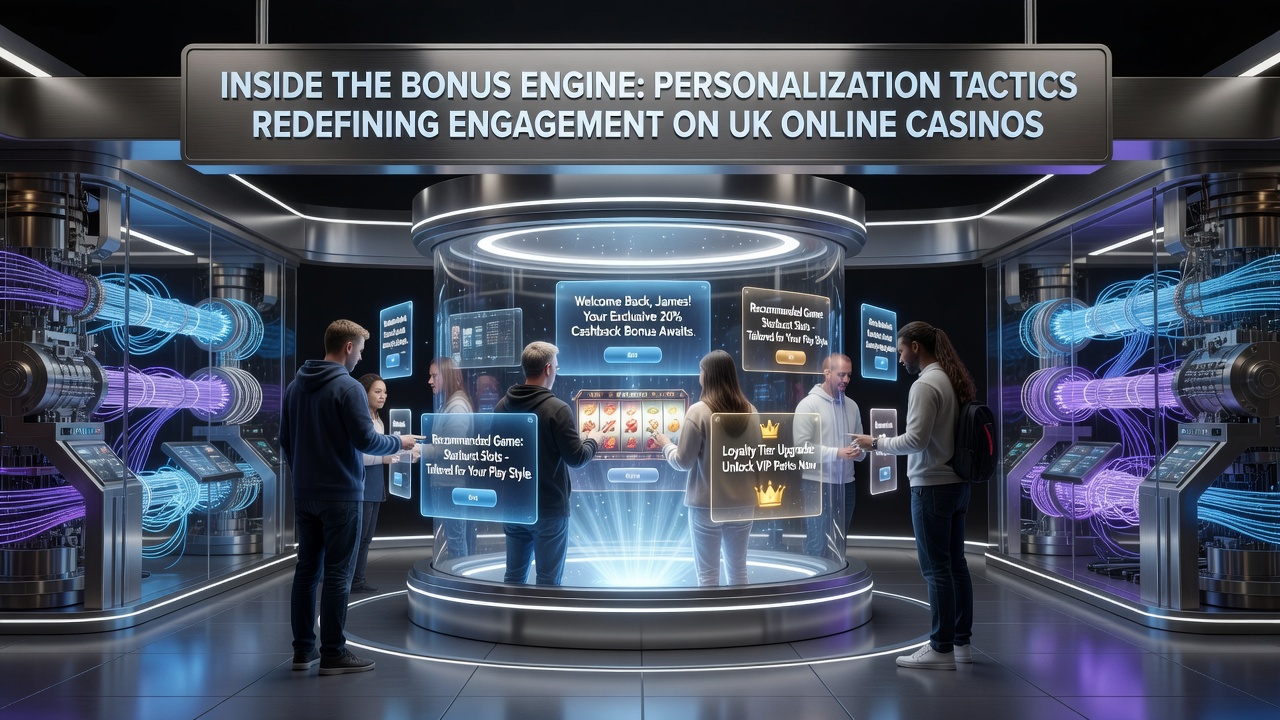
Operators across the UK have shifted toward data-led systems that adjust bonus structures in real time based on individual play patterns and account history, and this approach has expanded significantly since mid-2025. Platforms now track deposit frequency, game preferences, and session lengths to generate offers that differ from one user to the next, which replaces the older model of uniform promotions sent to entire customer segments.
How algorithms shape individual offers
Modern bonus engines pull from multiple data streams including past wager amounts, preferred slot themes, and even time-of-day activity, then apply rules that create tailored free spins or deposit matches within seconds of login. One operator that implemented such a system reported in internal metrics that repeat engagement rose by 18 percent within the first quarter after rollout, while a separate platform using similar logic noted reduced bonus abuse because offers aligned more closely with actual user behavior. These engines often run on machine-learning models that refine predictions daily, adjusting parameters as new session data arrives.
Take the case of a mid-sized British operator that partnered with a European analytics firm in early 2026. The integration allowed the site to segment players into micro-cohorts based on volatility tolerance rather than broad categories like VIP or new user, and this change produced measurable lifts in conversion rates for reload bonuses. Observers note that the same technology has spread to several competitors by July 2026, though implementation depth varies by company size and technical resources.
Real-time adjustments and session triggers
Some platforms now trigger personalized messages mid-session when the system detects a drop in activity, offering a small matched bet or extra spins calibrated to the player's average stake. This differs from static campaigns because the value and format change depending on the individual's risk profile and recent results. Data from a Canadian gambling research group indicates that such dynamic interventions can extend average session length by 12 to 15 percent when calibrated correctly, although outcomes depend on local regulatory limits and platform design.

Another tactic involves linking bonus types to payment method history. Players who consistently use certain e-wallets receive reload structures that emphasize instant credits, whereas those favoring bank transfers see offers weighted toward higher-value but slower-release rewards. These distinctions emerge from pattern recognition rather than manual rules, allowing the engine to scale across thousands of accounts without constant oversight.
Integration with loyalty frameworks
Personalization extends into layered loyalty programs where points multipliers or exclusive events adapt according to predicted lifetime value. A report published by the American Gaming Association in late 2025 highlighted how several international operators achieved more stable retention curves after moving away from generic tier upgrades toward individualized milestone rewards. UK sites have adopted parallel methods, though they must navigate stricter advertising standards that require clear terms even when offers differ between users.
Cross-game recommendations form another layer. When a player shows consistent activity in table games, the system surfaces free spins on similar-volatility slots rather than unrelated titles, increasing the likelihood of trial. This tactic relies on collaborative filtering techniques common in retail and streaming services, yet applied here to gambling content under UK licensing conditions.
Regulatory context and technical limits
While the technology advances quickly, operators must still publish standard terms that apply across all personalized offers, and any automated decision-making falls under data-protection obligations. A July 2026 update from an EU gaming trade body emphasized the need for transparent opt-out mechanisms so users can decline tailored promotions without losing access to standard bonuses. Compliance teams therefore review algorithm outputs regularly to ensure offers remain within permitted structures.
Technical constraints also shape what personalization can achieve. Smaller operators often rely on third-party platforms that provide modular tools rather than building custom engines, which limits the granularity of adjustments but still delivers measurable differentiation compared with pre-2024 blanket campaigns. Larger groups, by contrast, maintain in-house data teams that test new variables weekly.
Conclusion
The move toward individualized bonus delivery continues to accelerate as UK operators refine their engines with fresh data streams and tighter compliance checks. Figures from multiple markets show that when personalization aligns with actual behavior, engagement metrics improve without requiring larger promotional budgets. Those who have studied these systems note that success hinges on balancing algorithmic precision with clear communication, ensuring players understand both the value and the conditions attached to each tailored offer.