Machine Learning Models Shift Bonus Dynamics Across British Gambling Platforms
Written by Jonas Hartmann · Jul 3, 2026
Machine Learning Models Shift Bonus Dynamics Across British Gambling Platforms
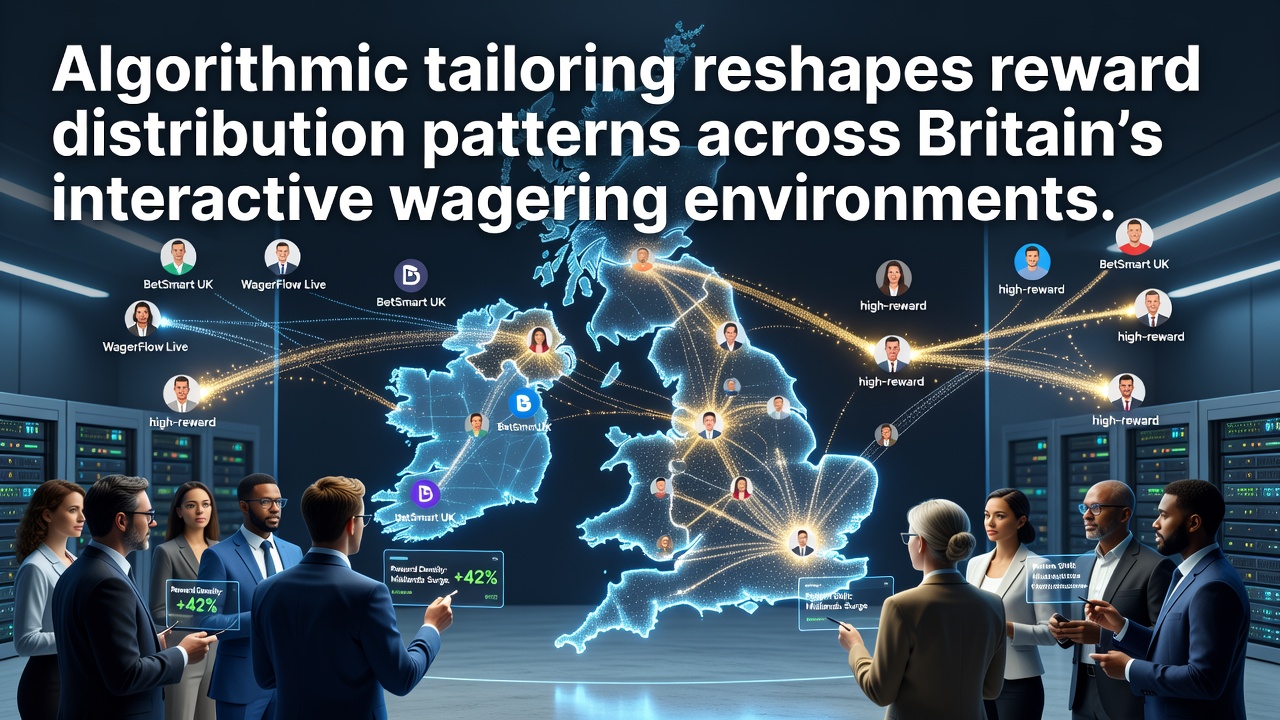
Algorithmic tailoring has started to alter how rewards reach players in Britain's interactive wagering environments, with systems that analyze behavior patterns and adjust offers in real time. Data from industry reports shows these tools process player activity, deposit history, and session lengths to generate personalized incentives that differ from one user to the next. Observers note the shift began gaining traction around 2024 and continued expanding through July 2026 as platforms integrated more advanced machine learning layers.
Core Mechanisms Behind the Changes
Operators deploy models that track multiple variables at once, including time spent on specific games, preferred bet sizes, and response rates to previous promotions. These inputs feed into algorithms that calculate reward values on the fly, which means two players with similar account ages might receive entirely different free spin quantities or cashback percentages during the same week. Research from the University of Nevada's gaming analytics group indicates such segmentation improves retention metrics by matching offers more closely to individual risk profiles and engagement habits.
Yet the distribution patterns also reveal concentration effects, where high-activity accounts capture a larger share of total promotional value while casual participants encounter more modest or infrequent incentives. Figures released by the European Gaming and Betting Association highlight that personalized reward pools grew by roughly 18 percent year-over-year in markets that adopted these systems early.
Impact on Player Segments and Platform Operations
Seasoned participants often discover that their reward streams evolve based on sustained activity rather than fixed schedules, which encourages longer platform loyalty in some cases. One study tracking British users found that accounts receiving algorithmically adjusted reload bonuses maintained deposit consistency at higher rates than those on static offers. Platforms meanwhile report reduced waste on generic promotions that previously went unclaimed by large portions of their user bases.
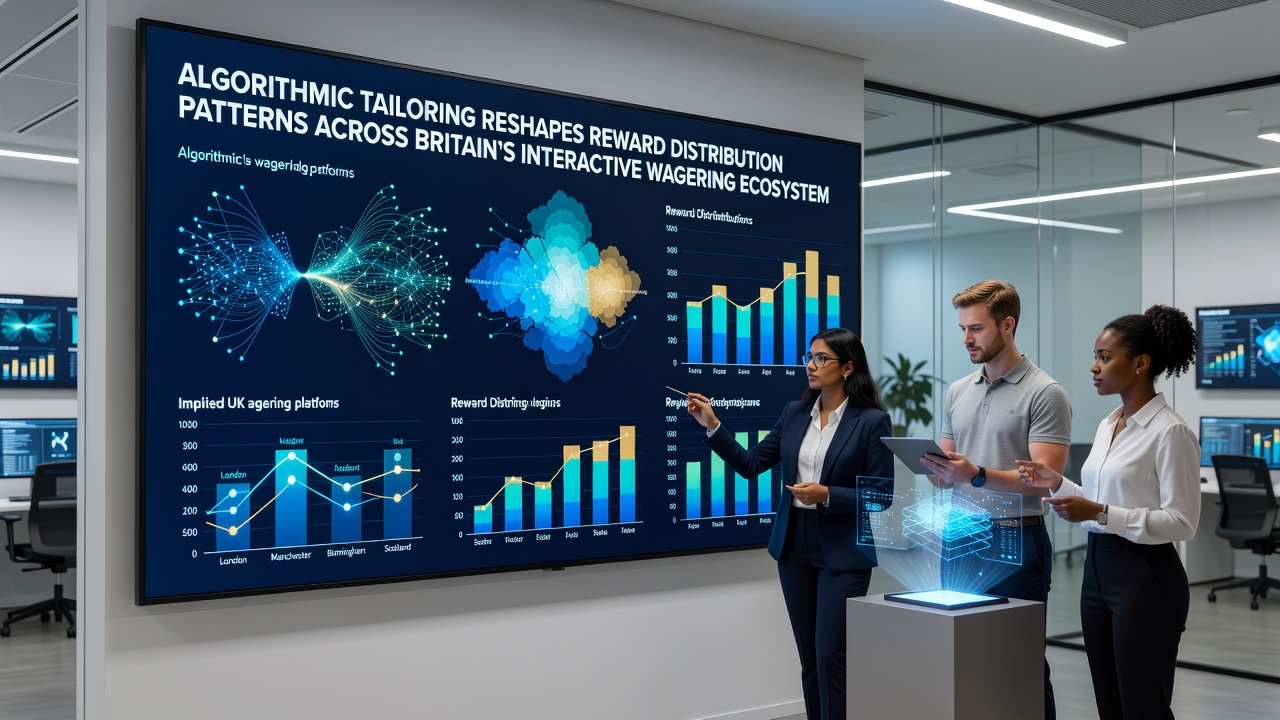
Smaller operators face different pressures, since building and maintaining these systems requires significant technical investment. Some have partnered with third-party providers to access similar capabilities without developing proprietary code, while others continue relying on rule-based promotions that lack the same degree of granularity. The result is a widening gap in promotional sophistication between large integrated groups and independent sites.
Regulatory and Transparency Considerations
Regulators outside the UK have begun examining how algorithmic reward systems interact with consumer protection standards. In Australia, for instance, the Australian Competition and Consumer Commission issued guidance in early 2026 that encourages clearer disclosure of personalization factors to players. Similar discussions have surfaced in Canadian provincial reviews, where authorities emphasize the need for audit trails that explain why certain offers appear for specific accounts.
Those who've studied these implementations note that transparency features, such as dashboards showing reward calculation inputs, remain limited on most British platforms. Without such visibility, players encounter difficulty understanding why their offers differ from peers or how to influence future distributions through their own activity patterns.
Future Trajectories and Industry Adjustments
Developments through July 2026 point toward tighter integration between algorithmic rewards and live event triggers, such as sports outcomes or tournament progressions. Several major platforms have tested systems that layer dynamic bonuses onto in-play markets, adjusting values based on real-time odds movement and individual betting history. Industry analysts expect broader rollout of these features as data infrastructure matures.
Academic work from European research institutions continues to explore long-term effects on participation distribution, including whether personalized systems reduce or amplify variance in player outcomes over extended periods. Early findings suggest the patterns depend heavily on how operators set constraints within their models and whether external oversight requires periodic fairness audits.
Conclusion
Algorithmic tailoring continues to reshape reward distribution across Britain's interactive wagering environments through increasingly sophisticated data processing. The changes affect different player groups unevenly while prompting operational shifts among operators and drawing attention from regulatory bodies in multiple regions. As these systems evolve, the emphasis on measurable personalization metrics and clearer communication standards appears likely to intensify in coming reporting cycles.