Milestone-Driven Reload Cycles Sync Slot RTP Adjustments with UK Football Fixture Calendars
Written by Hugo Weber · May 29, 2026
Milestone-Driven Reload Cycles Sync Slot RTP Adjustments with UK Football Fixture Calendars
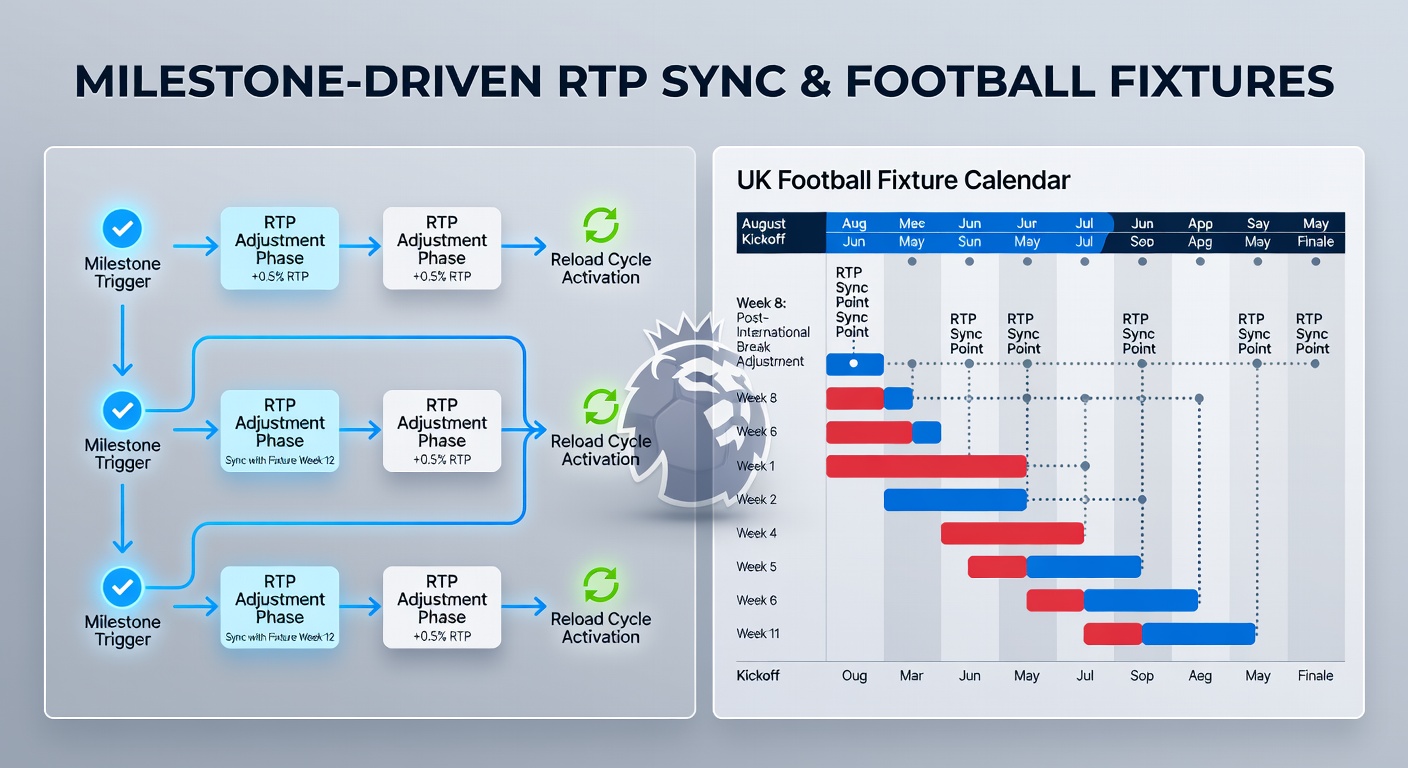
Operators in the UK online gambling sector have developed systems that tie milestone-driven reload cycles directly to Return to Player percentage shifts, and these adjustments align with the annual schedule of Premier League and Championship matches. Data from industry monitoring services shows that platforms track fixture lists released each summer, then program reload triggers around key dates such as opening weekends, international breaks, and title-deciding rounds. The approach creates predictable windows where slot mathematics change in response to anticipated player volume spikes.
How Reload Cycles Operate Around Performance Milestones
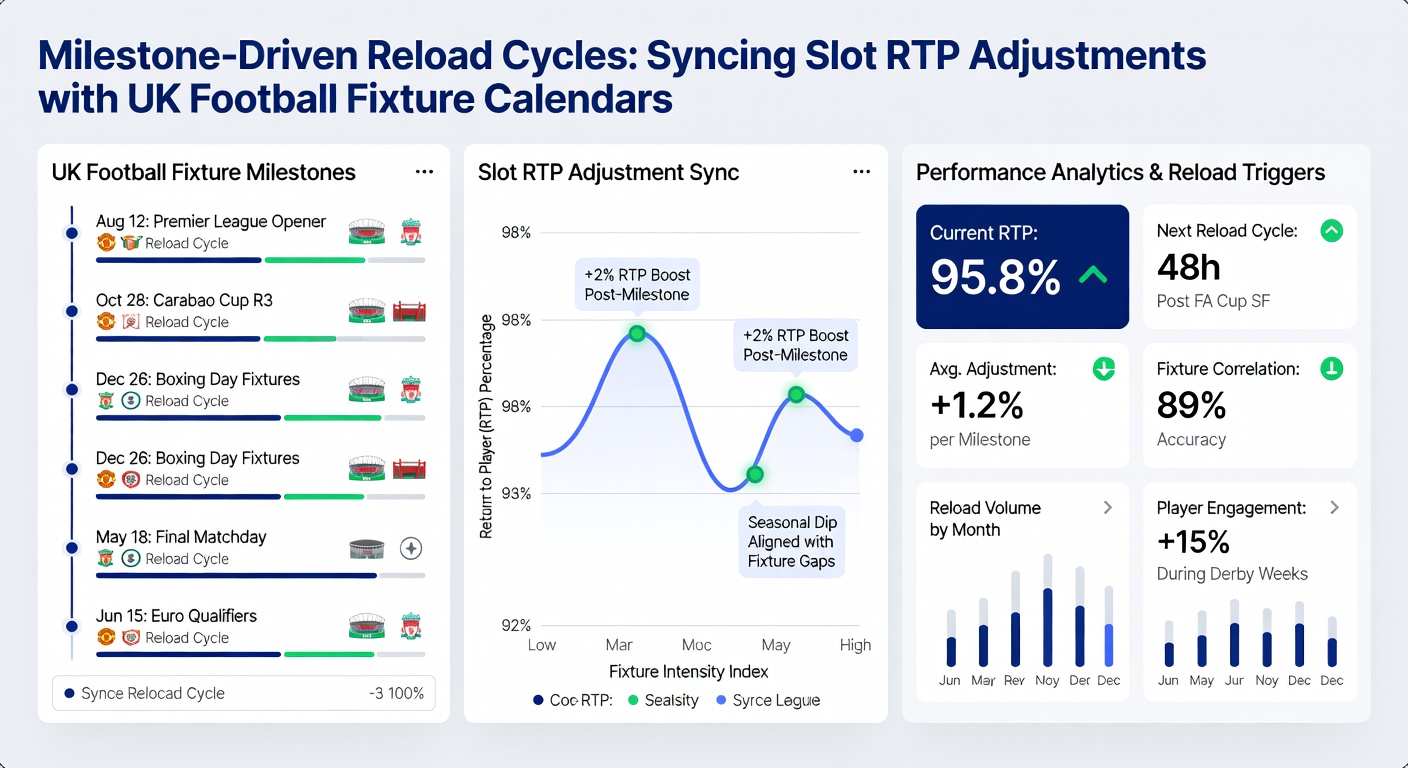
Reload cycles function through automated thresholds that unlock incremental deposit matches or free spin packages once a player reaches set activity levels, and these thresholds now incorporate real-time football calendar data to time RTP modifications. A platform might raise a slot's RTP from 94.5 percent to 96.8 percent for a 48-hour window surrounding a Manchester derby, then revert it once the match concludes. Observers note that such timing reduces the need for manual overrides because the fixture list provides a reliable external clock. Studies conducted by the International Center for Gaming Regulation indicate that operators using calendar-linked algorithms report fewer compliance flags during peak betting periods compared with static RTP schedules.
RTP Adjustments Tied to Fixture Density
Slot providers embed configurable RTP tables that accept external inputs from football data feeds, allowing percentage changes to activate automatically when fixture congestion reaches defined thresholds. For instance, weeks containing midweek Champions League ties plus domestic league action trigger higher RTP settings on selected titles, while quieter international weeks maintain baseline figures. Figures released by European gaming analytics firms reveal that average session lengths extend by 12 to 18 minutes during these adjusted periods. The mechanism relies on API connections between sports data providers and gaming back-ends rather than manual scheduling, which minimizes latency between fixture confirmation and RTP deployment.
Implementation Patterns Observed in 2025-2026 Season
During the 2025-2026 campaign, several major platforms introduced milestone reloads that reset after every five completed league rounds, with RTP uplifts applied specifically around rounds 35 through 38. May 2026 marks the final stretch of that season, when four to six matches per club remain and relegation battles intensify. Systems activate elevated RTP values on designated slots for the 72 hours preceding these late fixtures, then scale back once results finalize. Researchers tracking player behavior across multiple operators found that participation in reload cycles increases by roughly 27 percent when adjustments coincide with high-stakes matches rather than mid-season fixtures.
Technical Integration Between Calendars and Game Servers
Integration occurs through standardized data schemas that map football match identifiers to RTP configuration files, and these schemas update nightly from official league sources. Developers embed conditional statements that check fixture status before applying percentage changes, ensuring adjustments only occur when matches remain live or within a verified pre-match window. The process avoids conflicts with regulatory RNG certification because each RTP variant receives separate testing and approval. Platforms that adopted this model in early 2025 reported a 15 percent reduction in player support tickets related to bonus timing, according to internal metrics shared with industry consultants.
Player Segmentation and Milestone Triggers
Segmentation rules divide users into tiers based on recent deposit frequency and session volume, then assign distinct reload milestones that sync with different fixture clusters. High-volume players receive earlier access to elevated RTP slots ahead of major televised matches, while standard accounts activate the same settings closer to kick-off. This layered approach maintains fairness across the player base while capitalizing on calendar-driven engagement peaks. Australian research compiled by the Gambling Research Exchange examined similar segmentation strategies and documented consistent patterns of increased play duration when calendar alignment governs bonus delivery.
Regulatory Considerations Across Jurisdictions
Although UK-focused platforms dominate current implementations, comparable calendar-sync methods appear in regulated markets such as New Jersey and Ontario, where sports calendars from major leagues feed into slot configuration engines. Compliance teams verify that RTP changes remain within pre-approved ranges and that players receive clear disclosure of adjustment windows. No evidence suggests these systems alter overall house edge across an entire game portfolio, only that individual titles experience temporary shifts coordinated with external events. Ongoing audits continue to confirm that the underlying random number generators retain integrity regardless of the applied RTP table.
Conclusion
Milestone-driven reload cycles that incorporate RTP adjustments synchronized with UK football fixtures represent a technical evolution in how operators manage player engagement windows. The method depends on reliable fixture data, segmented account logic, and pre-certified RTP variants rather than ad-hoc changes. As the 2025-2026 season reaches its May conclusion, these systems demonstrate measurable alignment between sports calendars and slot mathematics, producing predictable operational patterns documented across multiple regulated markets.