Personalization engines at work: tailoring slot tournament entries based on historical play patterns among British online players.
Written by Jordan Schmitt · Jun 21, 2026
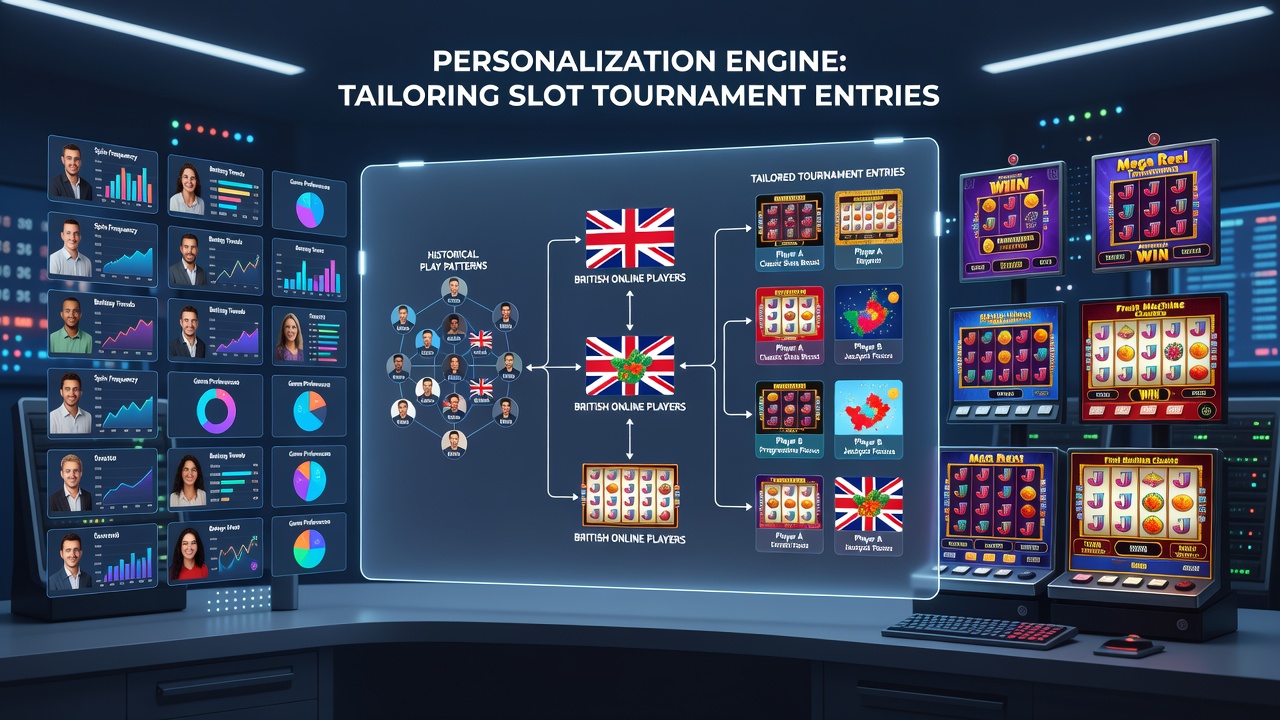
Personalization engines at work: tailoring slot tournament entries based on historical play patterns among British online players.
Personalization engines now process vast datasets from British online slot players to determine tournament eligibility and entry offers, relying on metrics such as average session duration, preferred volatility levels, and historical bet sizing, while platforms adjust invitations in real time based on these inputs, according to industry reports from mid-2026. Observers note that operators collect play histories spanning months or years to build individual profiles, then match those profiles against upcoming tournament structures so that high-frequency low-stake players receive entries to progressive jackpot events and frequent high-roller participants see invitations to fixed-prize competitions.
Data inputs driving selection algorithms
Engines track spin counts per session, time-of-day preferences, and game theme selections across multiple sites, then apply clustering techniques that group users into segments before generating targeted tournament offers. Research from the Australian Gambling Research Centre indicates that similar pattern-recognition models increase repeat participation rates when entry criteria align closely with established behaviors, and British platforms have adopted comparable methods since early 2025. Figures reveal that players logging more than 500 spins weekly often receive priority placement in endurance-style tournaments, whereas those favoring short bursts of play get routed toward quick-fire formats with fewer rounds.
Case examples from operator implementations
One platform grouped participants by their historical preference for classic three-reel titles versus modern five-reel video slots, then issued tournament entries accordingly in June 2026, resulting in higher completion rates across both categories. Another operator cross-referenced deposit frequency with withdrawal patterns to identify consistent players, offering them exclusive qualifiers that required no additional buy-in. Data shows these tailored entries reduced drop-off between registration and active play, as the selected users already demonstrated sustained engagement with the underlying games.
What's interesting is how engines incorporate recency weighting, so a sudden shift in bet sizes or game choice can alter future tournament eligibility within days rather than weeks. This dynamic adjustment keeps offerings aligned with current activity instead of outdated averages, and industry analyses from the Responsible Gambling Council in Canada highlight similar adaptive systems in other regulated markets. Platforms also layer in device and connection data, ensuring mobile users receive tournament formats optimized for shorter attention windows while desktop players see longer, more complex brackets.

Operational mechanics and timing
Algorithms run nightly batch processes that score every active account against a tournament calendar, then push notifications or email invitations to qualifying profiles before registration windows open. Those who've studied these systems know the scoring often combines weighted variables: spin velocity receives higher emphasis for speed-based events, while total wagered amount influences qualification for high-stakes leaderboards. In June 2026 several major British-facing sites introduced mid-week qualifiers that drew exclusively from players whose patterns matched the tournament's volatility profile, cutting down on mismatched entries that previously led to early exits.
Turns out the same engines also manage prize pool distribution by predicting uptake volumes, allowing operators to scale guarantees without overcommitting resources. A study published by the University of Nevada's gaming research division found that predictive modeling of this type improved prize allocation accuracy by 18 percent across comparable markets, and British operators have integrated parallel techniques to stabilize tournament economics. External data feeds from payment processors further refine targeting, as deposit method history sometimes correlates with preferred stake ranges and therefore with suitable tournament tiers.
Player segmentation and engagement outcomes
Segmentation extends beyond simple win-rate calculations to include behavioral markers such as pause frequency between spins and response to in-game features like bonus rounds. Players who consistently chase bonus triggers receive entries to tournaments emphasizing feature frequency, whereas those focused on base-game stability see offers centered on steady payout structures. Evidence suggests these alignments produce measurable lifts in session length during tournament periods, although exact uplift percentages vary by operator implementation and player cohort size.
Observers note that repeat exposure to matched tournaments can reinforce existing play patterns, creating feedback loops where historical data continues to shape future opportunities. Regulatory frameworks in multiple jurisdictions require transparency around such automated decisions, prompting some platforms to include opt-out mechanisms for personalized tournament invitations. The European Gaming and Betting Association has published guidelines on responsible use of player data in promotional targeting, and several British operators reference these standards when designing their engines.
Conclusion
Personalization engines continue to refine tournament entry processes by mining historical play records for British online slot participants, producing invitations that reflect documented preferences in volatility, session length, and stake behavior. Data from June 2026 demonstrates ongoing adoption of these systems across multiple platforms, with measurable effects on participation consistency and operational efficiency. As algorithms incorporate additional variables and external benchmarks from research bodies in Australia, Canada, and the United States, the practice of matching players to tournaments based on past patterns remains a core component of online slot operations.