Precision in Promotions: How Analytics Drive Tailored Bonus Offers on British Betting Platforms
Written by Blake Becker · Jul 17, 2026
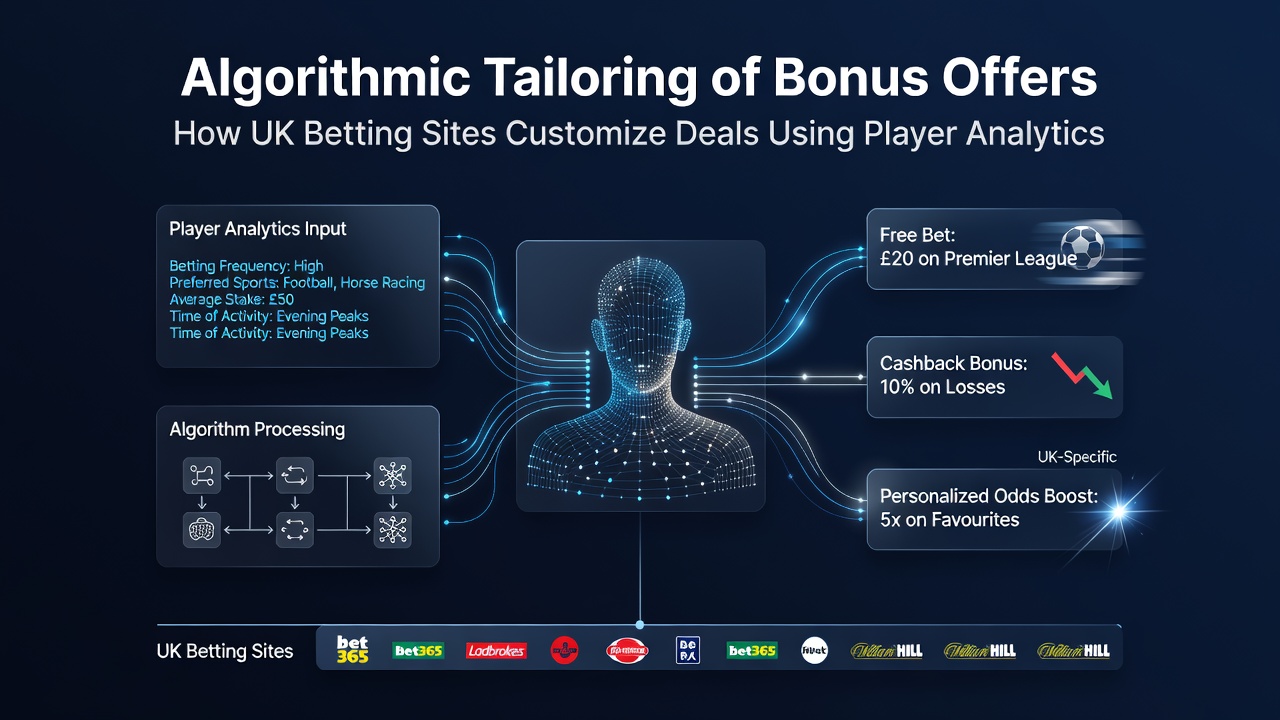
Precision in Promotions: How Analytics Drive Tailored Bonus Offers on British Betting Platforms
Betting operators across the UK have turned to sophisticated data systems that examine individual player patterns before generating bonus offers, and these platforms pull from extensive records of deposits, wagers, session lengths, and game selections to adjust rewards in real time.
Data Inputs That Shape Every Offer
Operators collect multiple layers of information that include frequency of logins, preferred sports or casino titles, average stake sizes, and responses to earlier promotions; algorithms then assign weights to each variable so that a high-volume sports bettor might receive an accumulator boost while a slots player sees free spin allocations instead. The process runs continuously, and updates occur whenever new activity registers in the system, which means offers can shift within hours based on recent behavior rather than static segments.
Research from academic institutions has examined these methods, and one analysis conducted at the University of Nevada documented how machine learning models improved retention metrics when they incorporated live transaction streams instead of historical summaries alone. Figures from that work indicated measurable differences in engagement levels once personalization reached individual rather than cohort scale.
Technical Framework Behind the Customization
Most systems rely on clustering techniques that group users by behavioral similarity before applying decision trees or neural networks to predict which incentive type will trigger the next deposit or extended session. These models process variables such as time since last activity, device type, and payment method history, then output specific parameters for bonus value, validity period, and wagering requirements that differ from one account to the next.
Examples of Real-Time Adjustments
One case documented in industry technical papers described a platform that reduced free bet amounts for players who consistently withdrew winnings quickly while increasing reload percentages for those who maintained steady deposit patterns over several weeks. Another operator adjusted casino cashback rates upward for users whose average session duration exceeded forty-five minutes, and the change correlated with higher repeat login rates according to internal metrics shared at a 2025 technology summit.

By July 2026 several operators had integrated additional signals from responsible gambling tools, and these inputs allowed the same algorithms to flag accounts showing rapid spend increases so that bonus structures could include smaller, more frequent rewards rather than large single offers. The adjustment aimed to align promotional activity with observed risk indicators without manual intervention from compliance teams.
Regulatory Context and Industry Standards
European regulatory discussions have addressed transparency requirements around algorithmic decision-making in gambling, and guidance from bodies such as the European Gaming and Betting Association emphasizes that players should receive clear explanations when offers vary. Operators must therefore maintain audit logs that show which data points triggered each personalized deal, and these records support both internal reviews and external examinations.
Industry reports compiled by technology providers reveal that platforms using advanced segmentation achieve higher conversion on promotional emails compared with generic campaigns, though exact percentages depend on the quality of underlying data and the speed of model retraining cycles. Those same reports note that integration of third-party data enrichment services has become common, allowing operators to append demographic or geographic attributes that refine targeting further.
Implementation Challenges and Solutions
Technical teams face ongoing tasks around data privacy compliance and model fairness, and they address these through regular bias testing plus encryption protocols that protect individual records during processing. When anomalies appear in the output, such as offers that no longer match recent activity, analysts intervene to recalibrate weights or retrain segments before the next distribution wave.
Observers note that smaller operators often partner with specialized analytics vendors rather than building in-house systems, and these collaborations allow access to pre-built models trained across multiple markets while still permitting local customization for UK-specific player preferences. The result is a landscape where even mid-sized sites deliver offers that feel distinctly individual despite shared technological foundations.
Conclusion
Algorithmic tailoring has become a standard operational feature for UK betting platforms because it connects player activity data directly to promotional parameters, and continued refinement of these systems depends on accurate inputs, robust testing, and alignment with evolving external standards. As more operators adopt similar frameworks, the range of possible bonus structures continues to expand while remaining grounded in measurable behavioral signals.