Predictive Algorithms Shape Personalised Sports Betting Offers in the UK
Written by Hugo Weber · May 24, 2026

Predictive Algorithms Shape Personalised Sports Betting Offers in the UK
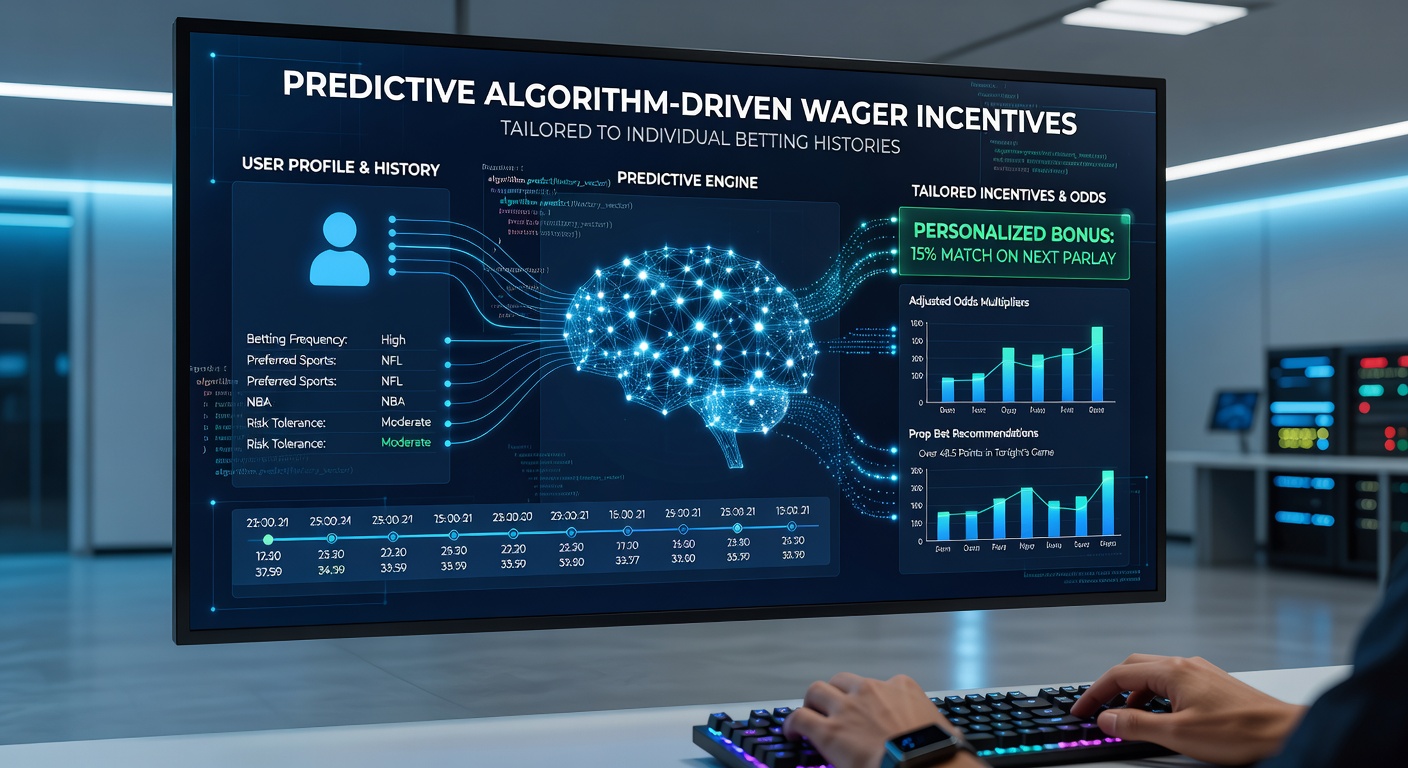
Operators in the UK market rely on machine learning models that process individual betting histories to generate targeted wager incentives, and these systems examine patterns such as preferred sports, stake sizes, frequency of in-play bets, and response rates to previous promotions. The approach draws from large datasets that track user behaviour over months or years, allowing platforms to adjust offers like enhanced odds or free bet credits in ways that align with each account's activity profile.
Data Inputs Driving the Models
Betting histories supply the core variables fed into these algorithms, including details on wager types, outcomes, deposit patterns, and session durations, while additional signals come from device usage and time-of-day preferences. Researchers at institutions like the University of Nevada, Reno have documented how similar systems in regulated markets combine these inputs with external factors such as league schedules and market volatility to refine prediction accuracy. One study released by the American Gaming Association highlighted that platforms applying these techniques saw measurable lifts in engagement metrics across sports betting segments.
Models often segment users into clusters based on risk tolerance and loyalty indicators, then assign incentive values accordingly, and this segmentation occurs in real time as new bets are placed. Observers note that a user who consistently wagers on Premier League matches might receive tailored accumulator boosts, whereas another who focuses on tennis could see different structures such as cash-out incentives or partial stake refunds.
Implementation Across UK Platforms
UK-facing operators deploy these tools through backend systems that update incentive catalogues daily or even hourly, and integration with customer relationship management software allows for immediate delivery via app notifications or email. In May 2026 several platforms reported expanded use of reinforcement learning variants that adjust offers based on whether earlier incentives produced follow-up bets, creating feedback loops that refine future targeting. The process stays within the bounds of data protection rules while maximising the relevance of each promotion presented to an account holder.
Examples of Tailored Incentives
Consider an account that has placed repeated football bets above a certain threshold, where the algorithm might surface a personalised odds boost on a specific weekend fixture rather than a generic site-wide offer. Another account showing sporadic activity could receive a reload credit structured around a deposit threshold that matches its historical top-up amounts. Platforms apply these adjustments without manual intervention, relying instead on probabilistic scoring that estimates the likelihood of engagement for each proposed incentive.
Case examples shared in industry briefings show that users with histories of live betting on underdogs tend to receive promotions that emphasise higher-variance outcomes, while those favouring favourites see more conservative structures. These differences emerge directly from the historical data patterns rather than from any static rule set, and they evolve as accounts accumulate new activity.
Regulatory and Technical Context
Compliance teams monitor the outputs of these algorithms to ensure offers do not cross into areas restricted by responsible gambling frameworks, and external audits review the fairness of segmentation logic. Data from the Australian Communications and Media Authority on similar predictive systems in other jurisdictions indicates that transparent disclosure of personalisation methods helps maintain user trust while supporting commercial goals. Platforms in the UK market have adopted comparable audit trails that log how each incentive was generated adn delivered.
Technical infrastructure includes secure data pipelines that anonymise certain fields before model training, and this architecture supports scalability across millions of active accounts. Updates to the models occur periodically as new betting data arrives, allowing the system to capture shifts in user preferences that might result from changes in league formats or major tournament schedules.
Future Developments Expected by Mid-2026
By May 2026 further integration of real-time market data with individual histories is projected to produce even more granular incentive structures, and early tests of such combined models have already appeared on select platforms. Industry reports suggest continued investment in explainable AI techniques that let operators provide clearer descriptions of why particular offers appear for specific accounts, and this transparency focus aligns with broader trends in data-driven marketing across regulated sectors.
Conclusion
Predictive algorithms continue to refine the way sports wager incentives connect to individual betting histories in the UK market through ongoing analysis of behavioural data and iterative model improvements. The systems deliver differentiated experiences at scale while operating under established compliance and data governance standards. As technical capabilities advance, the precision of these personalisations is expected to increase without altering the fundamental reliance on historical patterns that define the current approach.