Sequential Task Requirements Shaping Tiered Incentives in Digital Wagering Platforms
Written by Jonas Hartmann · Jun 14, 2026
Sequential Task Requirements Shaping Tiered Incentives in Digital Wagering Platforms
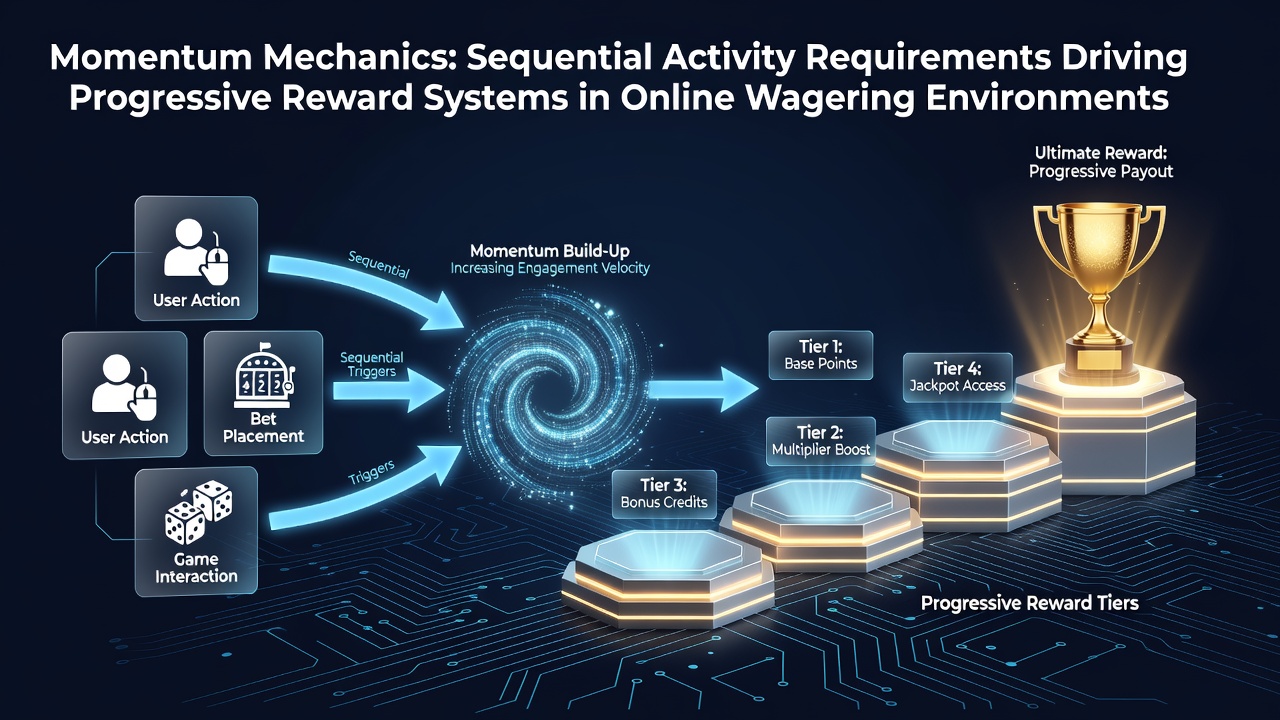
Digital wagering platforms have adopted momentum mechanics that tie sequential activity requirements to progressive reward systems, and these structures guide player engagement through ordered tasks such as login streaks, bet volumes, and challenge completions. Operators design these sequences so that each completed step unlocks incremental benefits while building toward larger payouts or multipliers that activate only after sustained participation across multiple stages.
Data from industry reports shows adoption rates climbing steadily through 2025 and into June 2026 when the International Center for Gaming Regulation released updated figures on platform retention tools. Those figures reveal that sequenced activity models now appear in over sixty percent of major online wagering environments across North America and Europe, with operators reporting measurable increases in session duration when users advance through chained requirements.
Core Components of Momentum Mechanics
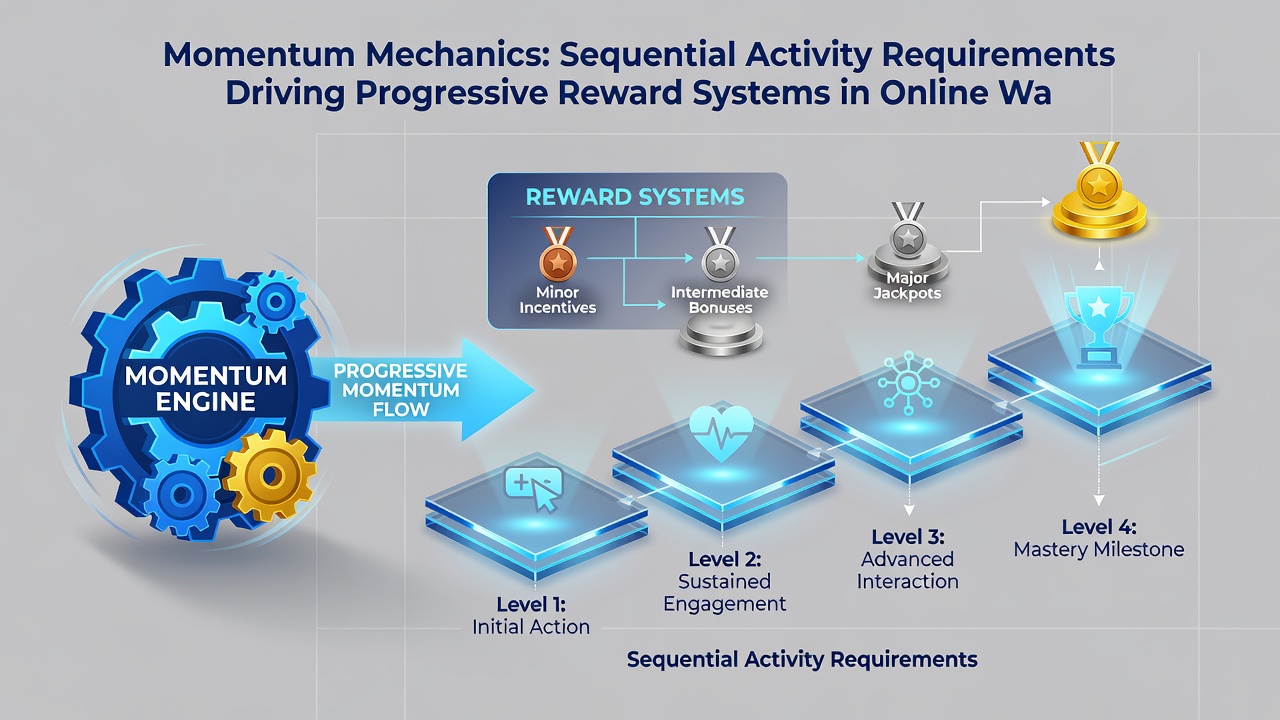
Sequential activity requirements typically begin with simple entry points like daily logins or small initial wagers that progress into layered objectives such as accumulating specific point totals or completing themed missions within defined time windows. Platforms enforce these chains through backend tracking systems that record each milestone and automatically escalate reward tiers once thresholds are met, creating a self-reinforcing loop where continued activity yields compounding returns.
Research from the Canadian Gaming Association indicates that progressive reward systems linked to these sequences often incorporate variable multipliers that rise with each successive stage completed, and the structure encourages players to maintain consistent interaction rather than sporadic visits. Observers note that this approach mirrors progression mechanics found in other digital entertainment sectors while remaining compliant with regional gaming statutes that govern bonus structures.
Implementation Across Different Jurisdictions
Platforms operating under Nevada Gaming Control Board oversight have integrated sequential requirements into both slot and table game environments, where users accumulate activity points through ordered bet placements that unlock escalating cashback percentages. Similar patterns appear in Australian regulated markets where state-level authorities track how these systems affect player behavior metrics, and June 2026 saw new compliance guidelines issued that require clearer disclosure of sequence completion criteria to participants.
One study conducted by researchers at the University of Nevada Reno examined how chained activity models influence deposit frequency, and the findings showed that users who advanced past the third stage in a given sequence demonstrated higher lifetime value compared with those who engaged only in single-session play. The report also documented that operators adjust sequence difficulty dynamically based on aggregated user data to balance accessibility with long-term retention goals.
Technical Architecture Supporting These Systems
Backend algorithms monitor real-time activity logs to validate sequence completion, and they trigger reward releases through automated scripts that calculate progressive benefits based on cumulative milestones reached. These systems often integrate with third-party analytics providers that supply operators with dashboards showing completion rates at each stage, allowing fine-tuning of requirements without altering the overall progression framework.
Industry organizations such as the American Gaming Association have published white papers detailing how sequential mechanics integrate with existing loyalty infrastructures, and the documents highlight that successful implementations maintain transparent rules so participants understand exactly which actions advance their progress. Data indicates that platforms using these models experience reduced churn when reward visibility remains high throughout the sequence.
Player Engagement Patterns and Platform Adjustments
Users who enter momentum-driven reward paths frequently exhibit extended play periods because each completed task generates immediate feedback in the form of partial rewards or status updates that signal proximity to the next tier. Platforms respond to these patterns by introducing branching sequences where players choose between different activity types to reach the same reward endpoint, thereby accommodating varied preferences while preserving the sequential structure.
Figures released in June 2026 by European gambling research networks showed that sequences incorporating social or competitive elements, such as team-based challenges, produced higher advancement rates than purely individual task chains. Operators have begun testing hybrid models that blend personal milestones with group objectives to sustain momentum across larger user bases.
Regulatory Considerations and Future Developments
Regulatory bodies in multiple regions continue to evaluate how sequential activity requirements intersect with responsible gaming standards, and several jurisdictions now mandate that operators provide tools allowing users to pause or reset progression without penalty. These measures aim to preserve the integrity of reward systems while addressing concerns about excessive engagement driven by escalating incentives.
Emerging technologies such as blockchain-based tracking may soon enable more verifiable sequence records across platforms, and preliminary trials in select markets have demonstrated improved transparency for both operators and participants. Continued monitoring through 2026 and beyond will determine how these mechanics evolve alongside shifting regulatory landscapes.
Conclusion
Sequential activity requirements have become integral to progressive reward systems in online wagering environments, and data from multiple regulatory and research sources confirms their role in shaping user behavior across diverse markets. Platforms continue to refine these structures based on performance metrics while adhering to evolving compliance expectations that emphasize clarity and player choice. The approach represents a measurable shift toward activity-driven engagement models that connect individual actions to cumulative benefits through carefully ordered progressions.