Tailoring Reload Incentives Through Session Duration Algorithms in Online Platforms
Written by Jonas Hartmann · Jun 23, 2026

Tailoring Reload Incentives Through Session Duration Algorithms in Online Platforms
Platforms have started applying algorithms that examine how long regular users stay logged in during each visit, then adjust reload incentives accordingly, and this approach draws from large datasets collected across multiple sessions. Data indicates patterns such as short bursts under fifteen minutes often trigger smaller, frequent top-ups while longer stretches exceeding forty-five minutes correlate with bigger reload percentages or added free credits. Observers note these systems update offers in real time once the software identifies a user's typical duration cluster.
Core Mechanics Behind Duration-Based Adjustments
Algorithms segment users into groups based on average session length calculated over the prior thirty days, and they cross-reference this with deposit frequency plus total play volume. When a pattern emerges where sessions hover around twenty minutes, the system might push a reload bonus capped at twenty-five percent to encourage one more deposit before logout. In contrast, users logging sessions near ninety minutes receive scaled offers that include cashback tiers or multiplier boosts applied only after the current session ends.
Research from the National Council on Problem Gambling highlights how duration tracking helps platforms maintain engagement without uniform promotions across all accounts. The process relies on machine learning models trained on anonymized logs, and these models refresh weekly to capture shifts such as seasonal changes in user availability.
Implementation Examples Across Different Regions
Operators in North America have rolled out similar frameworks following guidance issued by the Nevada Gaming Control Board in early 2026, whereas Australian platforms referenced reports from the Australian Communications and Media Authority to refine their duration metrics. One study released in June 2026 by the University of Nevada Reno examined twelve thousand regular accounts and found that reload acceptance rates rose eighteen percent when incentives matched the user's median session window. Those findings appear in the Journal of Gambling Studies, which also notes that mismatched offers led to lower redemption and faster account dormancy.
Technical Components Driving Personalization
Session duration data flows through several layers before an incentive appears. First, the platform logs exact timestamps for login and logout events, then calculates elapsed time while filtering out idle periods longer than five minutes. Next, clustering algorithms group these times into buckets such as brief, moderate, or extended, and a rules engine applies preset multipliers or fixed amounts tied to each bucket. Real-time APIs push the resulting offer to the user's dashboard within seconds of the next deposit attempt, and the entire pipeline operates without human intervention once thresholds are set.
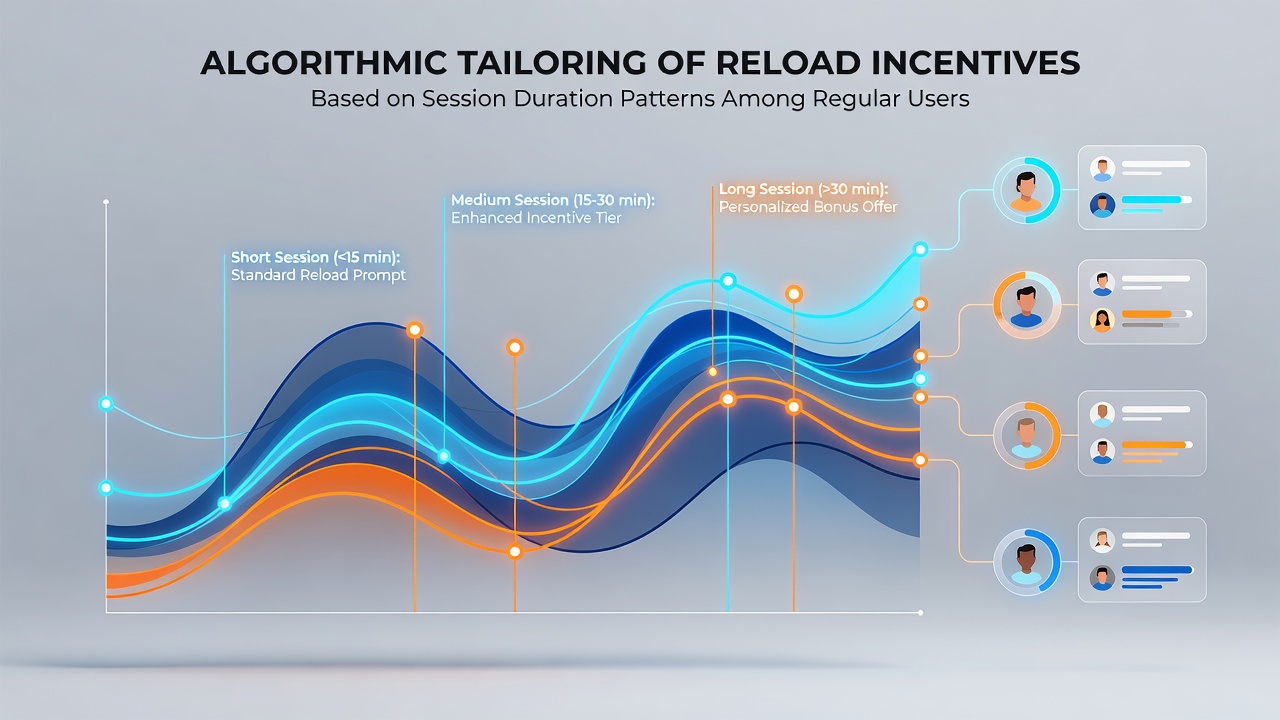
Additional variables sometimes layer on top of duration alone. Deposit method, time of day, and device type can refine the output further, yet duration remains the primary trigger because it directly signals engagement depth. Platforms test these combined rules through A/B splits, comparing control groups that receive generic reloads against test groups that see duration-matched versions, and results consistently show improved retention metrics in the tailored arm.
Regulatory and Industry Context in Mid-2026
By June 2026 several jurisdictions outside the UK had updated compliance checklists to require transparency around algorithmic incentive rules. The Ontario Lottery and Gaming Corporation published a white paper outlining expectations for clear disclosure of how session data influences bonus amounts, and similar language appeared in draft rules from the New Jersey Division of Gaming Enforcement. Industry associations such as the European Gaming and Betting Association encouraged members to maintain audit logs of duration calculations so regulators could verify fairness during routine inspections.
Take one operator that noticed a cluster of users with sessions averaging twelve minutes; after switching those accounts to micro-reload offers of five to ten percent, deposit frequency increased while average session length remained stable. Another case involved users averaging over an hour per visit, where the introduction of tiered reloads tied to cumulative time spent produced higher lifetime value figures without raising marketing spend.
Conclusion
Session duration algorithms continue to shape reload incentives for regular users across multiple markets, and the approach integrates statistical modeling with operational rules that update dynamically. Figures from academic and regulatory sources demonstrate measurable shifts in user behavior when offers align with observed patterns, while external oversight ensures the underlying data handling meets emerging standards. Platforms that maintain clear documentation and periodic model reviews position themselves to sustain these systems as datasets grow larger through 2026 and beyond.